5454 Wisconsin Ave, Suite 1625, Chevy Chase, MD 20815
301.652.RENU (7368)
Posted January 2, 2012 11:25 PM by Renu MED SPA in Blepharoplasty, Blepharoplasty/eyelid surgery

Question:

Does eyelid surgery also involve removing bags from under the eyes? And after bags are removed, how do you keep them from coming back?

Answer:

Lower eyelid blepharoplasty in many cases involves addressing the bags of the lower lids. The bags are actually fat that has herniated from beneath the eye which usually occurs over time due to weakening of the normal retaining tissue of the fat of the lower lids. In the past the herniated fat of the lower lids was simply removed during blepharoplasty in order to smooth out the lower eyelids. More recently, surgeons have learned that the lids tend to appear hollow over time if too much fat is removed from the lower lids during blepharoplasty. Fat repositioning, or the replacement of the fat into a more normal position to help decrease the hollowness of other parts of the lower eyelid rather than only removing the bulging of the lower eyelid, is practiced much more frequently at this time. Like any other parts of the body, you will continue to age and your blepharoplasty may need to be revised in a 7 -10 years if you notice bulging has reoccurred.

Posted by Dr. Philip Schoenfeld


Posted 11:20 PM by Renu MED SPA in Blepharoplasty, Blepharoplasty/eyelid surgery

Question:

If you completely remove the eyelids for blepharoplasty and then reattach them, do you then lose feeling in your eyelids after surgery?

Answer:

I am not certain why anyone would completely remove an eyelid during blepharoplasty or any other surgical procedure other than for the treatment of cancer. If in an unfortunate circumstance you were to lose your eyelid, if the eyelid was reattached you would regain sensation to the newly grafted eyelid over time.

Posted by Dr. Philip Schoenfeld


Posted January 1, 2012 11:17 PM by Renu MED SPA in Ethnic Rhinoplasty, Rhinoplasty

Question:

I have a very crooked nose that I would like to have fixed. I’ve heard that it can be made straighter but that correcting a crooked appearance is very difficult and that I cannot expect it to be perfectly straight. Why is this?

Answer:

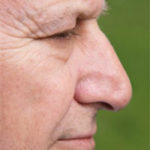
A crooked nose is one of the most difficult issues to correct in rhinoplasty surgery. Usually, there are both bony and cartilaginous issues to the crooked nose. Crooked bone may require multiple fractures to the nasal bones in order to get the upper part of the nose straightened, and this makes the nose somewhat unstable for a period of time. When the lower cartilaginous portion of the nose is crooked there are several rhinoplasty steps that need to be performed in order to straighten and sculpt that cartilage. I use several different rhinoplasty techniques to include spreader grafts, batten grafts, and onlay grafts. However, in spite of all of these rhinoplasty maneuvers and the pre surgical knowledge of the extent of the crooked cartilage, cartilage has some inherent memory and will not always stay in the newly straightened position. I am always able to significantly straighten a crooked nose, however, getting a crooked nose perfectly straight in rhinoplasty is not always possible.

Posted by Dr. Philip Schoenfeld


Posted 11:15 PM by Renu MED SPA in Revision Rhinoplasty, Rhinoplasty

Question:

I’ve heard that some surgeons prefer to wrap something called fascia around the cartilage when cartilage grafts are used for rhinoplasty. Can you explain what fascia is and what this does?

Answer:

Whenever a cartilage graft is place in the nasal bridge during either primary or revision rhinoplasty surgery there is always the risk of either shifting of the graft or the ability to feel or see the graft underneath the skin of the nose. Fascia is a thin piece of tissue that exists beneath the skin. The most common place from where fascia is harvested is in the scalp region above the ear. The temporalis fascia. The fascia can be wrapped around the cartilaginous graft, usually harvested from the nasal septum or ear, prior to placement into the nose during rhinoplasty providing some cushioning and camouflage to the graft especially in a thin skinned individual. I use fascia to wrap the graft in some primary rhinoplasty surgeries but, more frequently in revision rhinoplasty surgery.

Posted by Dr. Philip Schoenfeld


Posted December 31, 2011 11:12 PM by Renu MED SPA in Cosmetic Surgery Recovery, Mini-Facelift

Question:

I had a mini facelift 3 weeks ago. I’ve been experiencing a lot of pain which I didn’t expect with it being a mini procedure. It’s been getting better, but still uncomfortable. Is this normal?

Answer:

I feel strongly that two sources of information are at work when patients seek my advice with regards to the mini facelift. On the one hand, my pre-operative discussion with patients gives realistic expectations with regards to the length and quality of the recovery period from the mini facelift. I do not consider the procedure a weekend facelift as if it only takes a weekend for your face to recover from the mini facelift; the results will likely be not only short lived, but extremely disappointing. The second source of information about the mini facelift is from the media or less reputable advertising sources such as the “lifestyle lift”. I spend a lot of time dispelling the false claims with regards to the lack of discomfort and recovery time following a mini facelift. It is simply an expectation that cannot be met. So, to answer your question more specifically, some discomfort which is now resolving following your mini facelift is not only acceptable, but, also expected.

Posted by Dr. Philip Schoenfeld


Posted December 30, 2011 11:09 PM by Renu MED SPA in Mini-Facelift, Neck Lift

Question:

I had a necklift several years ago and the results were great but I’m starting to see the beginning of jowls again. Is there some reason why the results have only lasted a few years and what should I do now?

Answer:

Individuals age at different speeds. The damage that you have caused to your skin over the years from sun exposure, wind, smoking and even alcohol will contribute to aging of the skin. Genetics also plays a large part in how quickly your skin will show signs of aging. Although I cannot comment specifically on the necklift technique which was used on you in order to rejuvenate your face several years ago, it is very likely that your face has continued to age and your jowls are simply revealing the normal progression of aging. If your jowls are your only issue, ask your surgeon if you are a candidate for a mini facelift procedure.

Posted by Dr. Philip Schoenfeld


Posted December 29, 2011 11:07 PM by Renu MED SPA in Fraxel, Laser Liposuction

Question:

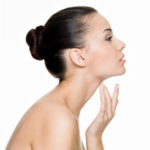
My neck has become very saggy. What are some of my options for firming it up?

Answer:

The degree of neck skin laxity and your tolerance for surgery and subsequent recovery time will dictate which procedures are best for you to address your neck. If there are changes to the quality of the neck skin and only mild sagging then a Fraxel laser is a good option for improvement of skin quality and mild skin tightening especially in thinner skinned individuals. Some success has also been realized with some of the new radio frequency devices that are used to tighten the neck skin, but, the results are only mild improvement. If there is a significant amount of fat and moderate excess skin of the neck then you may benefit tremendously from liposuction of the neck or laser liposuction, which really helps tighten moderate skin laxity. If you are dealing with significant excess skin and laxity of the neck muscles then you are likely going to need some sort of surgical intervention. The surgery you will need will also depend on the issues I outlined at the beginning of my answer as no one surgical procedure is appropriate for all necks.

Posted by Dr. Philip Schoenfeld


Posted December 28, 2011 11:02 PM by Renu MED SPA in Otoplasty

Question:

My ears have always stuck straight out from my head. Can otoplasty pin them back so they are at a more normal position?

Answer:

Otoplasty is designed for the purpose of creating a naturally appearing ear. The most common reason for otoplasty surgery is to “pin back” an otherwise protruding ear into a normal nondescript position. Sculpting the ear into a more anatomically correct ear can also be done at the same time.

Posted by Dr. Philip Schoenfeld


Watch the video Watch the video
contact us now!
First Name
Last Name
Email
Check if you would like info on
Sign up for our email only specials
Botox Bonus Days
Friends and Filler Events
Private In-Spa Party's
Comments  
THE RENU PATH

Dr. Philip Schoenfeld and his team offer a unique approach to looking and feeling your best. The RENU Path is a comprehensive program that blends modern medicine with the art of luxury spa services to deliver a complete package for personal aesthetics. At RENU, we will arm you with the tools to effectively treat your skin concerns and help you age beautifully and gracefully.


Consult & Education - Learn about your skin and its behavior through Visia Complexion Analysis.


RENU Spa Therapy & Medical Skin Care Treatments - Restore and rebalance the skin with clinical facials, microdermabrasion, chemical peels, and topical prescriptions as needed.
Non-invasive Laser Therapy & Injectables - Blend our state-of-the-art lasers and injectables with traditional spa therapies for enhanced results.
Cosmetic Facial Surgery & Ablative Lasers - RENU compliments its many non-invasive treatments with comprehensive facial procedures such as a rhinoplasty, face & neck lift, and eyelid & forehead surgery.
about dr. schoenfeld
 
 
Cosmetic Surgery Washington DC
 
Copyright 2011, Renu Med Spa. All rights reserved. 5454 Wisconsin Ave, Suite 1625, Chevy Chase, MD 20815 | 301.652.RENU (7368)
Disclaimer & Privacy Policy | Sitemap | Website Links & Resources